

Motorcycle tire-changing tools are not a single product type. A useful range may include tire levers in different lengths and profiles, bead-breaking tools, rim protectors, bead holders and combination tools for wheel service. For importers, distributors and workshop-tool brands, the challenge is choosing a practical assortment that matches the work customers perform—without adding overlapping products or making unsupported fitment claims.
This guide explains the main functions, selection points and sourcing considerations for motorcycle tire-changing tools. It also shows how individual tools and accessories can be combined into a product range or private-label assortment.
1. Build the range around the tire-service task
Start by identifying the work the end user needs to perform. A manual tire-changing setup may require several complementary tools, but each has a different role.
| Tool type | Main role | Buyer selection point |
|---|---|---|
| Tire levers / tire irons | Provide leverage for manual tire removal and installation. | Length, working-end profile, handle design and protective sleeve. |
| Bead breaker tools | Help release the tire bead from the rim before removal. | Tool format, construction and compatibility with the intended wheel and tire setup. |
| Wheel rim protectors | Help reduce direct contact between tire levers and the wheel rim. | Flexible or rigid construction, retention method and working method. |
| Tire bead holders | Help keep the bead in the rim’s drop centre while the opposite side is worked. | Holder style, fit and the operator’s tire-changing workflow. |
| Tire lever and axle-wrench combinations | Combine a tire lever with selected axle-nut wrench openings. | Required metric sizes, wheel application and included components. |
These tools complement one another, but they are not interchangeable. A distributor should decide whether the target customer needs individual tire irons, a small accessory set or a broader tire-service assortment.
2. Select tire levers by length, profile and working design
Length is an important specification, but it is not the only one. Buyers should also review the shape of the working end, the lever profile, handle treatment and whether a protective sleeve is included. The preferred design depends on the wheel, tire and working clearance.
NACHEE’s current range includes several product families rather than one universal lever:
- NC-6032: Examples include 11-inch and 15-inch standard levers, plus 16-inch, 18-inch and 20-inch styles with protective sleeves. Individual tools and configurable tire-service kits can be discussed.
- NC-6035: A separate series with 10-inch, 12-inch, 14-inch and 16-inch references, including bare and selected sleeve-protected designs. Individual tools and selected two-piece sets are available across the range.
- NC-6034: Flat-profile tire levers with 8-inch, 10-inch, 12-inch and 16-inch individual options, plus a documented 10-inch paired configuration.
These are product-family examples, not interchangeable configurations. When requesting a quotation, identify the series, length, profile and supply format you need. If your market requires a particular handle or sleeve arrangement, state that separately.
Explore the NC-6032 Motorcycle Tire Levers & Tire Changing Tool Kits, NC-6035 Motorcycle Tyre Lever Series and NC-6034 Flat Motorcycle Tire Lever Series.
3. Decide whether the assortment needs a bead breaker
A tire lever and a bead breaker perform different jobs. The lever provides leverage during tire removal or installation; a bead breaker helps release the bead from the rim. Some products combine these functions in a set, while others are supplied as an individual lever.
The NACHEE NC-6030 range illustrates this distinction. It includes an individual 16-inch curved tire lever, as well as a separate two-piece forged-steel bead breaker and tire lever set. Black and silver finish references are listed across the configurations. Buyers should confirm the selected model and included components rather than assume every option is a complete set.
For distributors, this is an assortment decision: a standalone lever may suit customers who already have bead-breaking equipment, while a combined set may be more appropriate for customers building a manual tire-service tool selection.
View the NC-6030 16-Inch Motorcycle Tire Levers & Bead Breaker Tools.
4. Include rim protection where the working method requires it
During manual tire mounting and removal, a tire lever can come into contact with the wheel rim. Rim protectors are designed to sit between the lever and rim to help reduce direct contact. The preferred design depends on the wheel, tire and operator’s working method.
Two common formats in the NACHEE range are:
- Flexible protectors: The NC-6033 range uses soft polyurethane rubber strips with retaining cords. The cords help keep the protectors in position during manual tire work. Color combinations and pack quantities can be discussed.
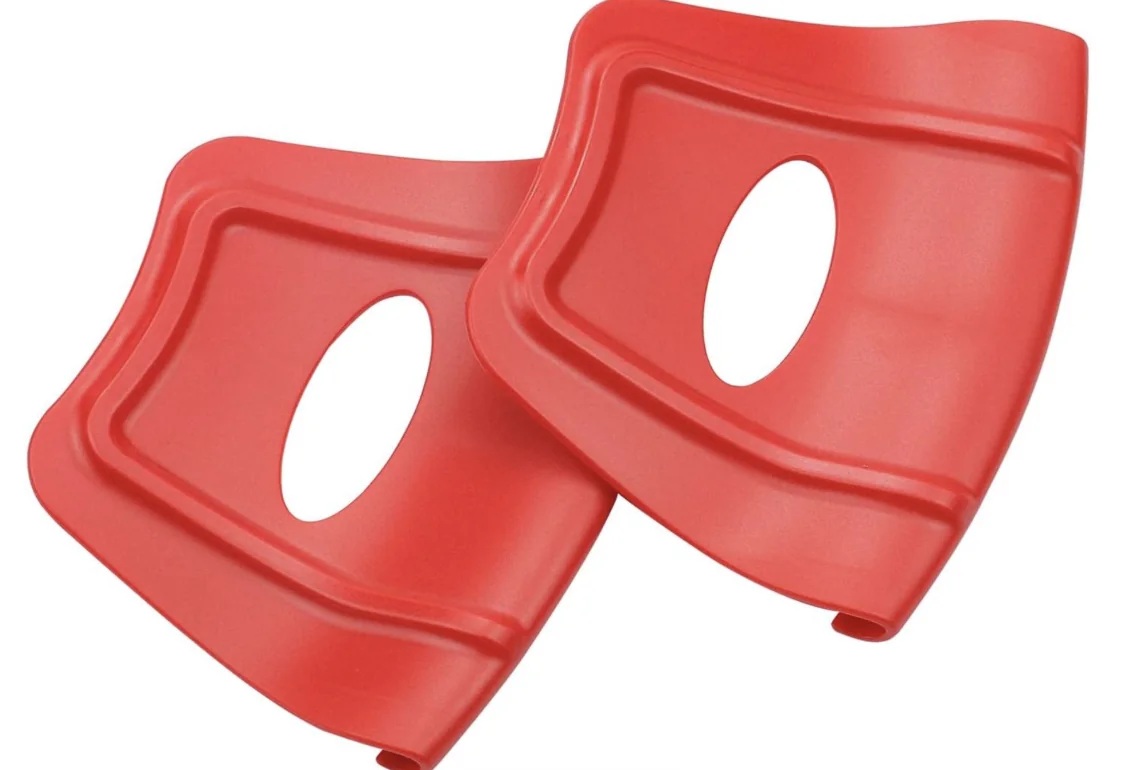
- Rigid rim shields: The rigid NC-6033 shield range uses molded plastic with finger openings for handling. Color and packing arrangements can be reviewed for the intended market.
These formats have different constructions and handling characteristics. They should not be described as identical alternatives; buyers should review the style against the service workflow and intended wheel application.
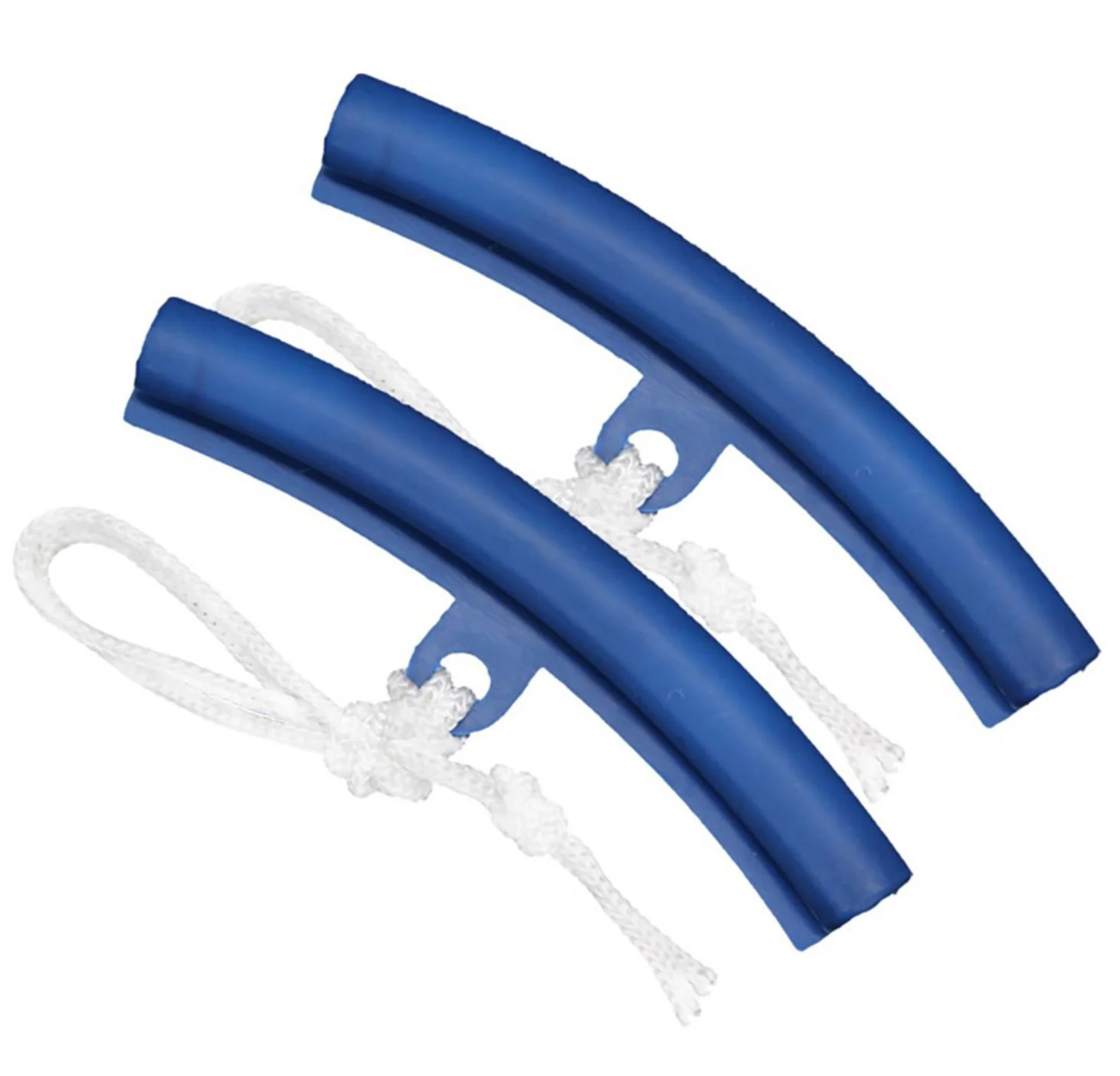
See the flexible motorcycle wheel rim protector range and rigid motorcycle wheel rim shields.
5. Consider a bead holder for controlled bead positioning
A tire bead holder helps keep the bead in the wheel rim’s drop centre while the opposite side is worked with tire levers. This can make it easier to maintain bead position during manual fitting and removal.
The NACHEE NC-6073 range includes a natural-finish 304 stainless-steel holder and colored holder styles. Selected configurations can also be discussed together with a rigid rim shield, creating a complementary accessory combination for tire-service customers.
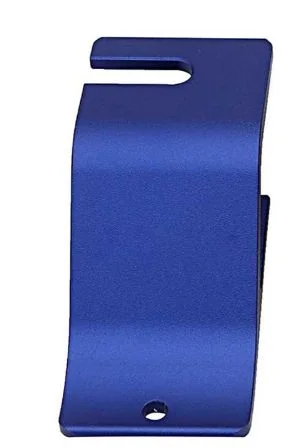
For wholesale orders, confirm the holder style, material reference, preferred color and whether it will be supplied individually or as part of a combined assortment. View the NC-6073 Motorcycle Tyre Bead Holder.
6. When does a tire lever and axle-wrench combination make sense?
Some motorcycle service tools combine a curved tire spoon with metric hex openings for compatible axle nuts. This format can be useful for customers who want a compact tool that serves more than one wheel-service task.
The NACHEE NC-6237 combo-lever range uses CNC-machined, anodized 7075 aluminum alloy for its core configurations. Wrench openings and included components vary by configuration. Published examples include 10/12 mm and 10/13 mm combinations with selected axle-wrench openings; other size arrangements should be confirmed against the specific product option.
Do not choose a combination tool from the motorcycle model name alone. Confirm the actual axle-nut sizes required by the target application and check the model year where fitment is vehicle-specific.
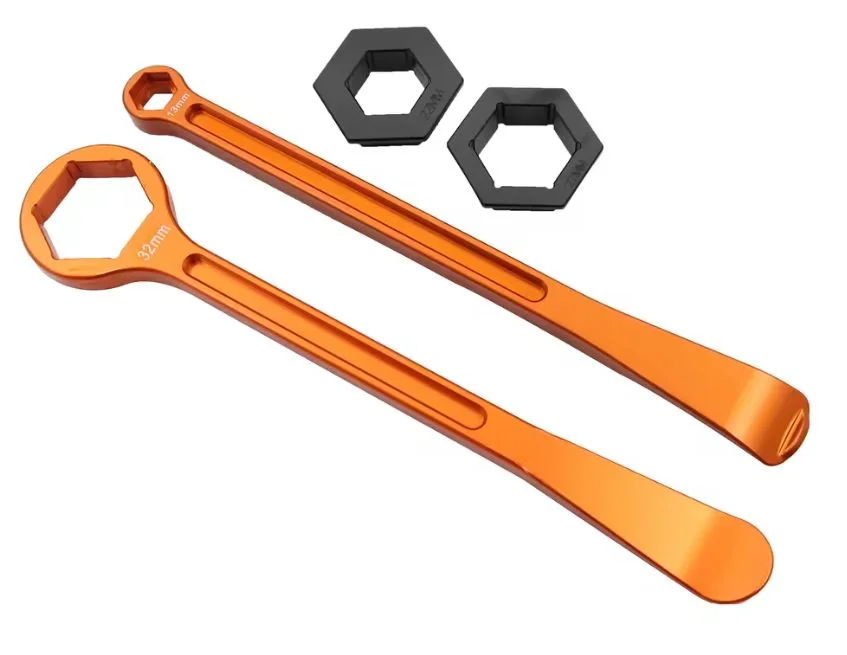
View the Motorcycle Tire Lever & Axle Wrench Combo Kit Series.
7. How distributors can organize a practical tire-tool range
A broad assortment is not necessarily a better assortment. Start with the customer group and service tasks you need to cover, then build the range in logical layers.
- Core tire levers: Select a useful mix of lengths and profiles based on the workshop or retail market you serve.
- Protection accessories: Add flexible or rigid rim protectors where they match the customer’s working method.
- Bead-control tools: Consider bead holders for customers who regularly perform manual tire fitting.
- Specialty combinations: Include bead-breaker sets or tire-lever/axle-wrench combinations where the additional function meets a clear demand.
- Kit options: Combine selected tools and accessories into a defined assortment when the target customer prefers a ready-to-supply set.
Keep individual tools and combination sets clearly distinguished in the product list. A set containing a lever and bead breaker should not be described as equivalent to a single tire iron, and a rim protector should not be assumed to be included unless it is listed in the approved contents.
8. What to confirm before requesting a wholesale quotation
| Specification | Information to provide |
|---|---|
| Target application | Motorcycle, scooter, off-road or workshop tire-service use. |
| Lever requirements | Length, profile, working-end style, handle and protective sleeve. |
| Additional functions | Bead breaker, bead holder or axle-wrench openings. |
| Rim protection | Flexible corded protector, rigid shield or another application-specific format. |
| Kit configuration | Individual tools, paired items or a mixed tire-service assortment. |
| Branding and packaging | Logo marking, colors, labels, pouch or retail packaging and carton requirements. |
| Order plan | Quantity by model, sample requirements and expected replenishment. |
If you are unsure which configuration is suitable, send the target wheel and tire application, photos or a reference product. The tool combination and fitment should be reviewed before the final order specification is confirmed.
OEM/ODM options for tire-changing tools
For distributors, wholesalers and tool brands, a tire-service range can be built from existing products or reviewed as a customized assortment. Depending on the selected items and project requirements, discussions may cover lever length combinations, handle or protector colors, accessory selection, laser logo marking, labels, packaging and kit contents.
For example, a distributor may want to combine tire levers with rim protectors and valve-service accessories, or pair a bead holder with a rigid rim shield. The final bill of materials, compatibility, MOQ and lead time should be confirmed for the proposed configuration. For a broader explanation of custom product development, see OEM & ODM Motorcycle Tool Development: From Brief to Production.
For more information about planning a wider specialty-tool assortment, read Motorcycle Specialty Tools for Distributors: How to Plan a Product Range.
Frequently asked questions
What is the difference between a tire lever and a bead breaker?
A tire lever provides leverage during manual tire removal and installation. A bead breaker helps release the tire bead from the rim. Some products combine the two functions in a set, but a standalone tire lever is not automatically a bead breaker.
Are longer motorcycle tire levers always better?
Not necessarily. Length affects reach and leverage, but the working-end profile, wheel clearance, tire type and operator’s working method also matter. Select the design for the intended application rather than choosing by length alone.
What is the difference between flexible and rigid rim protectors?
Flexible protectors use soft strips and retaining cords, while rigid shields use molded plastic with finger openings. Both are intended to help reduce direct contact between a tire lever and the rim, but their handling and suitability depend on the working method.
What does a tire bead holder do?
It helps keep the tire bead in the rim’s drop centre while the opposite side is worked with tire levers. The suitable holder should be checked against the intended wheel and tire setup.
Can tire levers and accessories be combined into a private-label kit?
Yes. Depending on the project, NACHEE can discuss combinations of levers, rim protectors, bead holders and valve-service accessories, along with logo marking and packaging. The final contents and order requirements should be confirmed before sampling or quotation.
Discuss your tire-tool assortment with NACHEE
NACHEE supports importers, distributors, wholesalers and tool brands sourcing motorcycle tire levers, bead breakers, rim protectors, bead holders and related specialty tools. Share your target market, required configurations and estimated quantities to discuss suitable standard products or a customized tire-service assortment.
Explore NACHEE Specialty Tools · Request the Product Catalog · Discuss Your Project