

Developing a motorcycle tool range under your own brand can start with a simple requirement: add a logo to an existing tool, adjust a specification, build a market-specific kit, or develop a product that is not readily available as a standard item. The right route depends on the application, the degree of change, the expected order volume and the commercial value of a dedicated design.
For importers, distributors, motorcycle brands and tool companies, understanding the development process before requesting a quotation helps avoid unnecessary tooling costs, unclear specifications and repeated sample changes. This guide explains how to plan an OEM or ODM motorcycle tool project—from the initial brief and tooling decision to sample approval, branding, quality checks and export preparation.
1. Start with the product requirement, not the OEM/ODM label
OEM, ODM and private label are often used broadly in sourcing discussions. Before choosing a term, define what the product needs to do and what needs to be different from an existing item.
- Private label: An existing product is supplied under your brand, with agreed logo marking, labels or packaging.
- OEM customization: An existing product or product platform is adjusted to meet your requirements, such as dimensions, materials, finish, accessories, kit contents or packaging.
- ODM development: A new or substantially modified product is developed around a defined application, design brief or market requirement. This may involve dedicated tooling or a new mold.
These descriptions are practical working distinctions; project scope should always be defined in the quotation and approved specification. A logo change is not the same project as a new tool design, and not every customization requires a new mold.
2. Choose the most practical development route
Most projects can be assessed through three starting points. The goal is not to make every product custom. It is to identify the simplest route that meets the buyer’s functional and commercial requirements.
| Starting point | When it makes sense | Typical items to confirm |
|---|---|---|
| Existing product | The standard product already meets the required function and specification. | Model or size, material, finish, logo method, packaging and order quantity. |
| Customized product or kit | The base product is suitable, but selected details need to change. | Dimensions, color, surface treatment, accessories, tool combination, labels and packing format. |
| New development and tooling | The application or product concept requires a new structure, shape, interface or dedicated component. | Drawings, samples, critical dimensions, design feasibility, tooling scope, sample stages and expected volume. |
For example, a distributor may only need a different logo and retail packaging for an existing specialty tool. Another project may require a revised tool combination or a different working dimension. A product with a distinct geometry or application-specific structure may need a more substantial development review.
3. Prepare a brief that can be evaluated
A useful product brief does not need to be a complete engineering drawing at the first discussion. It should, however, explain the intended application clearly enough for the supplier to identify missing information and assess the next step.
- Target application: What repair, maintenance or workshop task will the tool perform?
- End user and market: Is it intended for a professional workshop, dealer network, aftermarket distributor or retail tool brand? Which market will it serve?
- Fitment and dimensions: Which motorcycle models, component sizes, interfaces or working dimensions are relevant?
- Function and performance: What must the tool do, and what operating conditions or acceptance criteria matter?
- Material and finish: Are there required material properties, surface treatments, colors or corrosion-resistance expectations?
- Branding and packaging: What logo, label, barcode, instruction material or retail presentation is needed?
- Commercial plan: What is the estimated order volume, target launch date and expected replenishment pattern?
If drawings are not available, share reference products, photographs, sketches, measurements or an existing sample. For vehicle-specific applications, include the motorcycle model and year range where known. A supplier should identify what still needs to be verified rather than assume that a product fits based on appearance alone.
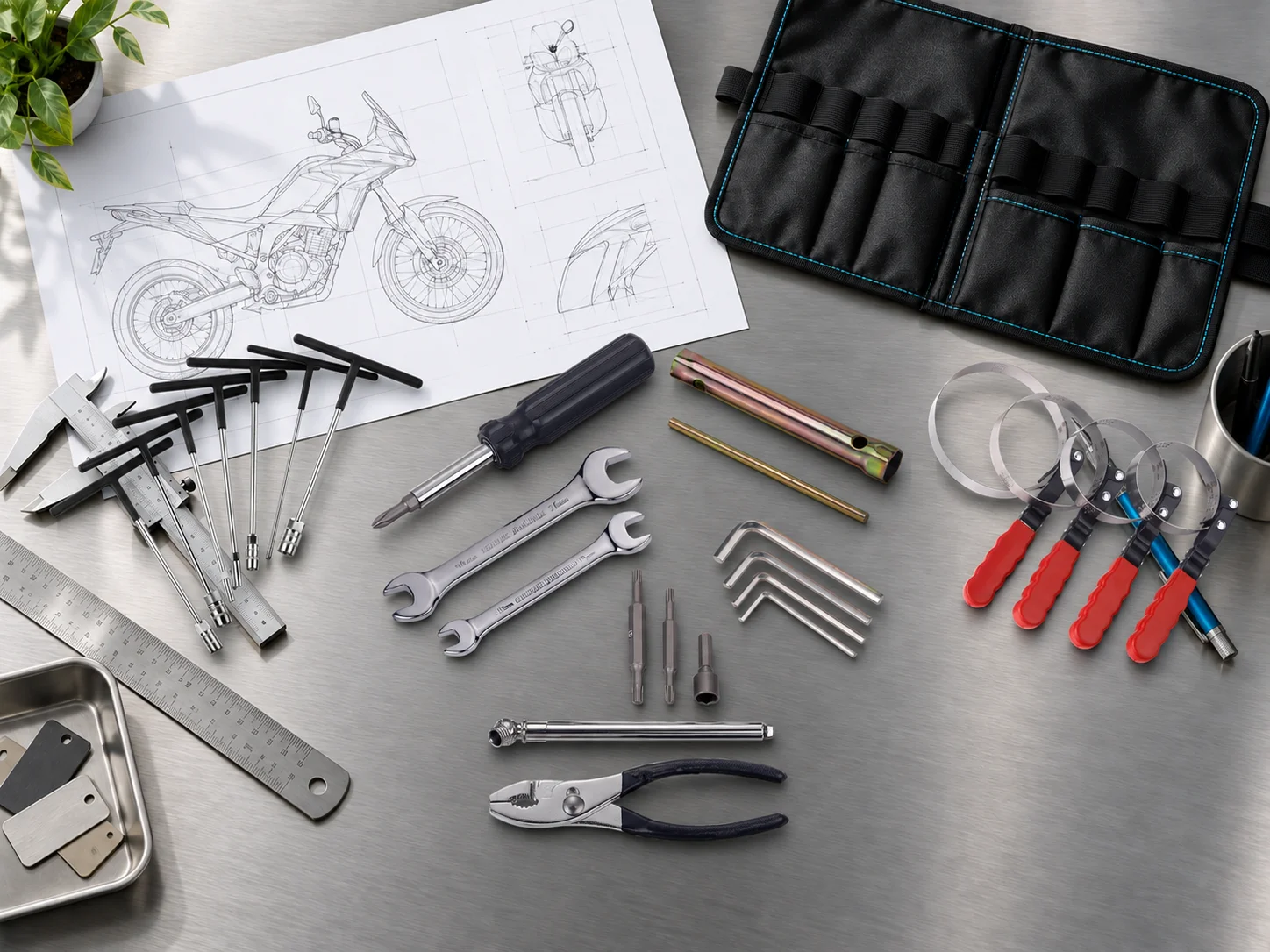
4. When is dedicated tooling or a new mold worthwhile?
Dedicated tooling can make sense when an existing product cannot meet an important requirement. Examples may include a distinct shape, a specific fitment interface, a revised structure, a purpose-designed component or a product feature that differentiates the buyer’s range.
However, a new mold is not automatically the best answer. Before committing, evaluate:
- Functional value: Does the new design solve a real application or performance requirement?
- Expected demand: Is the forecast volume sufficient to justify the development and tooling investment?
- Product differentiation: Does the design create a meaningful advantage compared with an available standard product?
- Technical feasibility: Can the proposed geometry, material and process achieve the required result?
- Long-term use: Will the product be replenished, revised or expanded into a wider range?
NACHEE has invested in dedicated molds and tooling for selected products, including projects where a standard off-the-shelf option does not meet the intended product requirements. We assess each request on its own merits rather than treating new tooling as a default step.
For a tooling project, buyers should also agree in advance on the tooling scope, cost, ownership, storage, maintenance, permitted use, revision responsibility and any exclusivity arrangement. These points should be documented in the project agreement; they should not be left to assumptions.
5. Use samples to verify the product before bulk ordering
A sample should verify more than appearance. It should confirm the details that matter in actual use and the specifications that will be repeated in the order.
Depending on the tool, sample review may include:
- Critical dimensions, interfaces, fitment and working clearances.
- Tool function, movement, alignment and ease of operation.
- Material, surface finish, markings and visible workmanship.
- Included accessories, replacement components and kit contents.
- Logo position, color references, labels and packaging arrangement.
When a sample needs revision, record the requested change and review the updated reference. For a mixed tool kit, confirm the complete contents list and the quantity of each item—not only the total piece count. The approved sample and specification should become the reference for order preparation and subsequent replenishment.
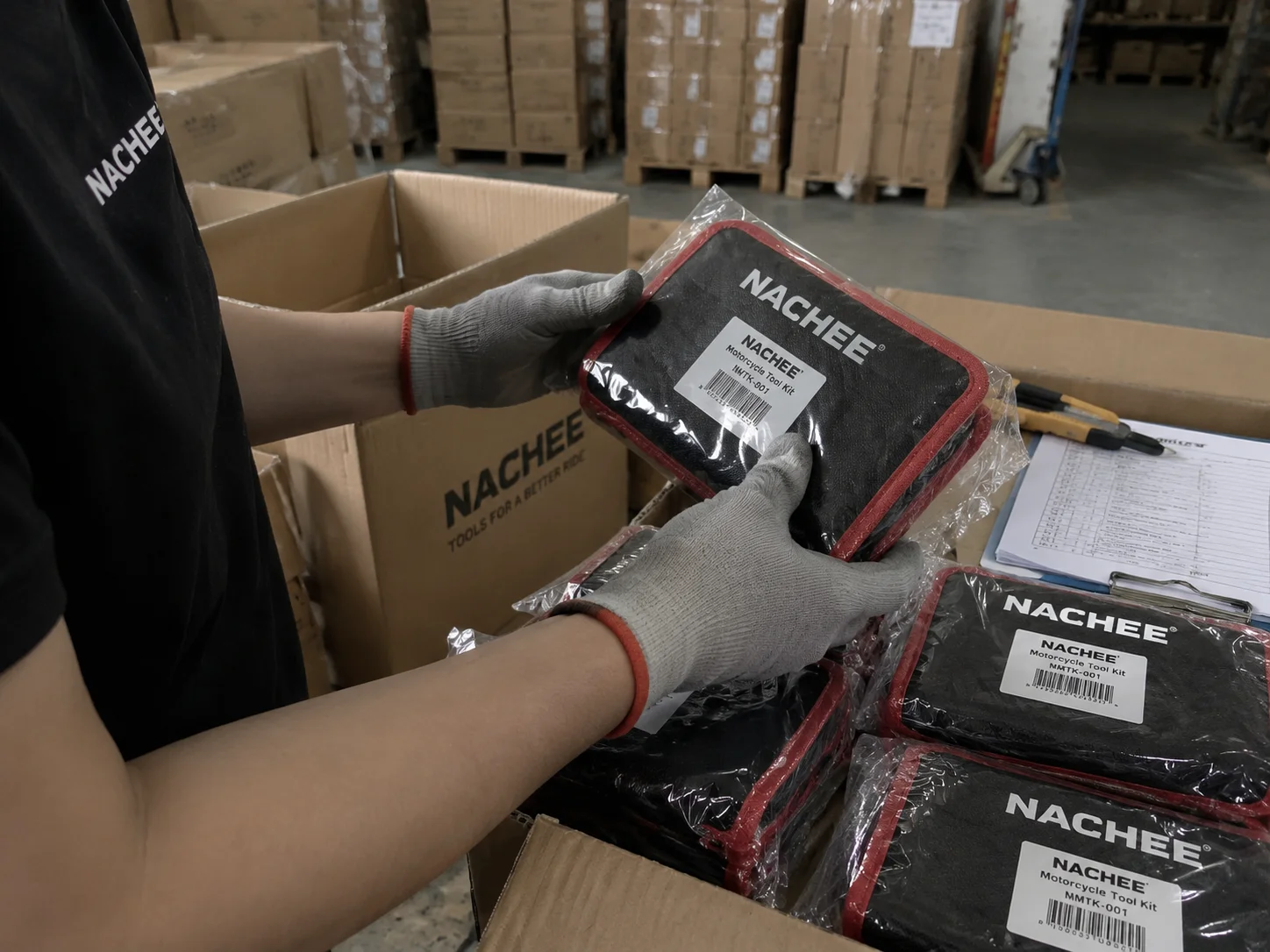
6. Plan branding and packaging alongside the product
Branding is easier to coordinate when it is included in the original project brief. Depending on the product and order requirements, a private-label program may include:
- Laser logo marking or other suitable product identification.
- Product labels, size markings, barcode labels and instruction materials.
- Color or selected finish options where technically suitable.
- Tool pouches, roll bags, plastic cases, organizers or other packaging formats.
- Retail boxes, inserts, language requirements and master-carton markings.
For a customized kit, packaging should be checked against the actual tool list and layout. A pouch or case that looks suitable when empty may not fit the complete assortment securely. Artwork, label details and the final packing arrangement should be approved before the order is prepared.
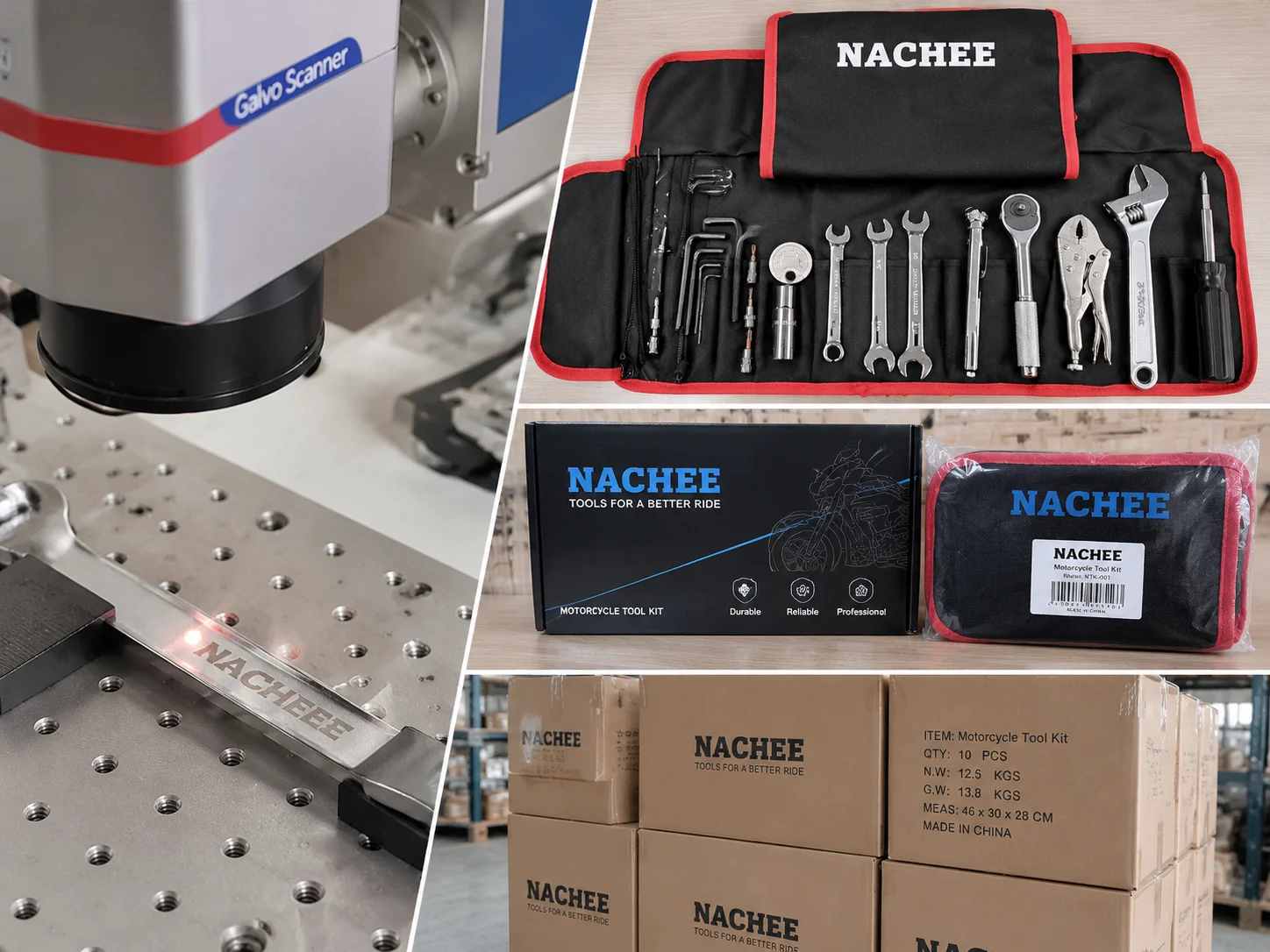
7. Keep quality and repeat-order requirements traceable
For distributors and brands, a successful first sample is only the beginning. The same specification needs to be understood when the order is prepared, checked, packed and replenished.
Before confirming an order, agree on the appropriate reference materials for the project:
- Approved product specification and critical dimensions.
- Final bill of materials for kits and assortments.
- Approved sample, including agreed revisions.
- Inspection points relevant to the product and its application.
- Logo artwork, label files and packaging references.
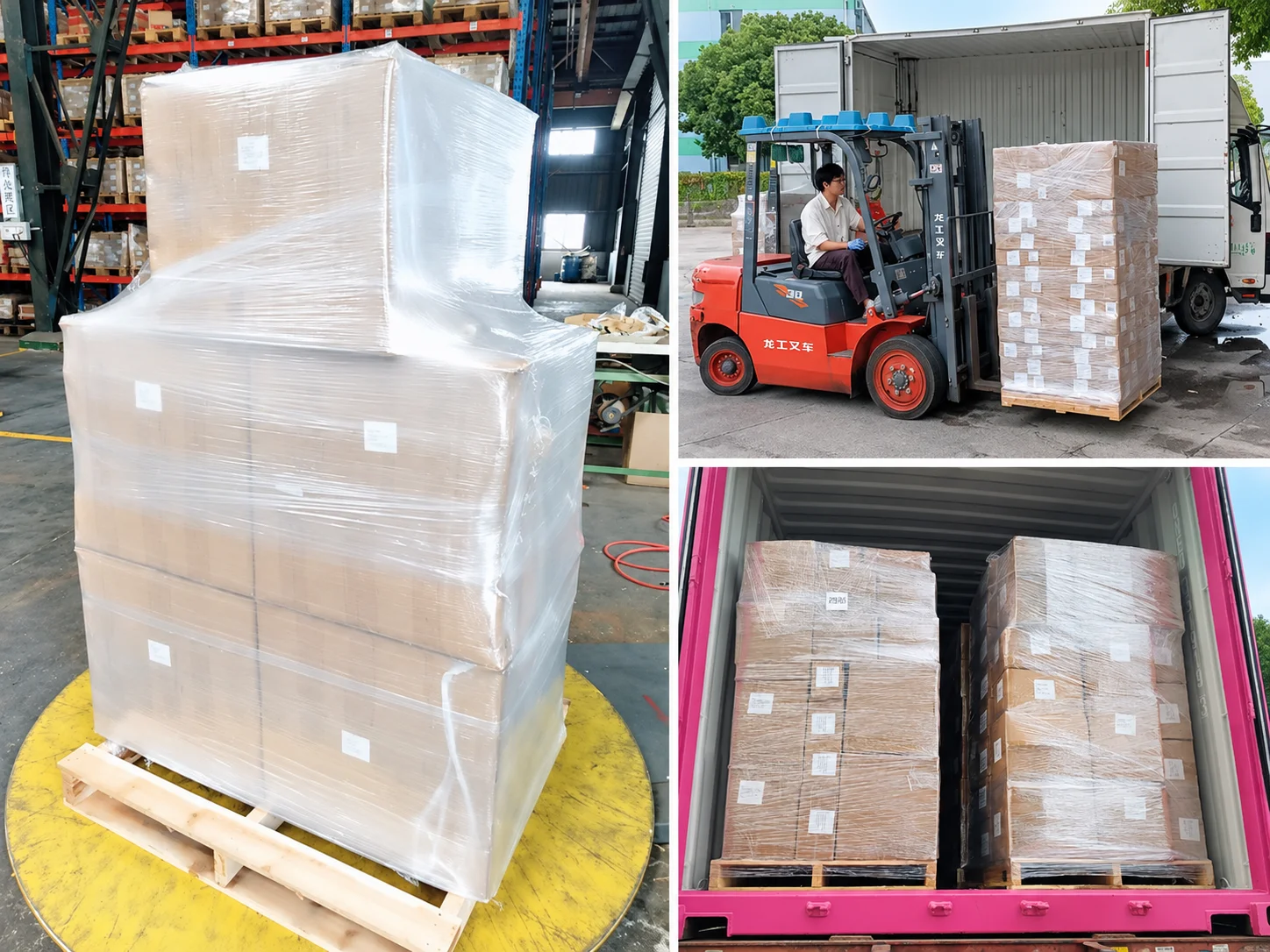
- Carton quantity, shipping marks and export preparation requirements.
Changes to material, dimensions, finish, accessories or packaging should be reviewed before they are applied to an order. This is particularly important for repeat orders and products with multiple configurations.
8. What to send when requesting an OEM/ODM quotation
You do not need to finalize every detail before contacting a supplier. Start with the information available and identify the points that still need technical review.
| Project information | Useful details |
|---|---|
| Product or application | Tool name, repair task, target motorcycle or component. |
| Reference | Existing product, sample, photos, sketch, drawing or product link. |
| Required changes | Dimensions, material, finish, structure, accessories or kit contents. |
| Branding | Logo file, marking method, labels, barcodes and packaging concept. |
| Order plan | Estimated quantity, target launch date and expected repeat demand. |
| Approval requirements | Sample needs, testing criteria, documentation and acceptance points. |
A clear brief makes it easier to distinguish a standard supply request from a customization or new-development project. It also helps identify where a sample, drawing or additional application information is needed before a firm quotation can be prepared.
How NACHEE supports motorcycle tool projects
NACHEE is a motorcycle tool specialist and OEM/ODM solution partner serving importers, distributors, wholesalers, motorcycle brands and tool companies. Our work covers motorcycle Tool Kits, Bolt Kits and Specialty Tools.
Depending on the project, we can discuss existing product selection, product adjustments, dedicated tooling for selected developments, sample coordination, logo marking, packaging, quality checks and export preparation. The suitable route, technical feasibility, MOQ, tooling arrangements and lead time are reviewed for each project.
For a product-specific example, see our guide to motorcycle tire-changing tools for distributors. For a broader supplier-evaluation framework, read How to Choose a Motorcycle Repair Tool Supplier in China. For a specific project, share your product brief and estimated quantity with the NACHEE team.
Frequently asked questions
Does every OEM motorcycle tool project require a new mold?
No. Many projects can start from an existing product and focus on branding, packaging, selected dimensions, finishes or kit contents. Dedicated tooling is considered when the required design or application cannot be met appropriately by an existing product.
Can I start an ODM project without technical drawings?
Yes. A reference sample, product photos, sketches, measurements and a clear description of the intended application can provide a starting point. More detailed drawings or specifications may be needed as the project is evaluated.
Can an existing motorcycle tool kit be customized?
Depending on the project, buyers can discuss tool selection, size combinations, accessories, pouch or case formats, logo marking, labels and packaging. The final contents and feasibility should be confirmed before sample approval.
How are tooling ownership and exclusivity handled?
They should be agreed in writing before tooling work begins. The agreement should identify the tooling scope, ownership, storage, maintenance, permitted use, revision responsibility and any exclusivity conditions.
How are MOQ and lead time determined?
They depend on the selected product, customization scope, tooling requirements, packaging and order quantity. Standard products, modified products and new developments may have different schedules and minimums.
Discuss your OEM/ODM motorcycle tool project
Whether you are adapting an existing tool, building a private-label kit or evaluating a new product concept, NACHEE welcomes project discussions with international B2B buyers.
Discuss your project with NACHEE or request the product catalog to explore the current range.