
B2B sourcing guide · Reviewed by the NACHEE product and sourcing team
Quick answer: what makes a reliable motorcycle tool supplier?
A reliable motorcycle repair tool supplier in China should be able to prove seven things before you place a volume order:
- Motorcycle-specific application knowledge
- Controlled materials and critical dimensions
- A repeatable sample and inspection process
- Practical OEM and private-label support
- ODM and tooling capability when needed
- Stable inventory, lead times and replenishment
- Clear export communication and documentation
Price matters, but it is rarely the best predictor of total sourcing cost. A cheaper tool becomes expensive when the fitment is wrong, the thread direction changes between batches, retail packaging is inconsistent, or a successful SKU cannot be replenished on time.
This guide is written for importers, distributors, wholesalers and tool brands comparing suppliers for motorcycle repair and maintenance tools. It explains what evidence to request, how to compare quotations fairly and where OEM/ODM capability creates real value.
1. Check motorcycle-tool specialization first
Motorcycle specialty tools are not simply smaller automotive tools. Fitment, access space, thread size, thread direction and load points can be application-specific. A supplier should be able to discuss the job the tool performs—not only quote from a photograph.
Useful application questions include:
- Which motorcycle models, engine families or component sizes does the tool fit?
- Is the thread left-hand or right-hand, and which dimensions are critical?
- Is the tool intended for occasional roadside use or repeated workshop use?
- Which replacement pins, adapters or wear parts are available?
- Can several related tools be consolidated into a market-specific kit?
This matters across applications such as engine and flywheel service, chain breaking and riveting, wheel and tire maintenance, suspension work, bearing service and workshop stands. A specialist should help prevent specification errors before sampling.
2. Verify the specification behind the product
Two tools can look nearly identical online and perform very differently. Depending on the product, the meaningful controls may include material grade, hardness, heat treatment, wall thickness, machining tolerance, thread accuracy, welding quality, surface treatment and high-stress geometry.
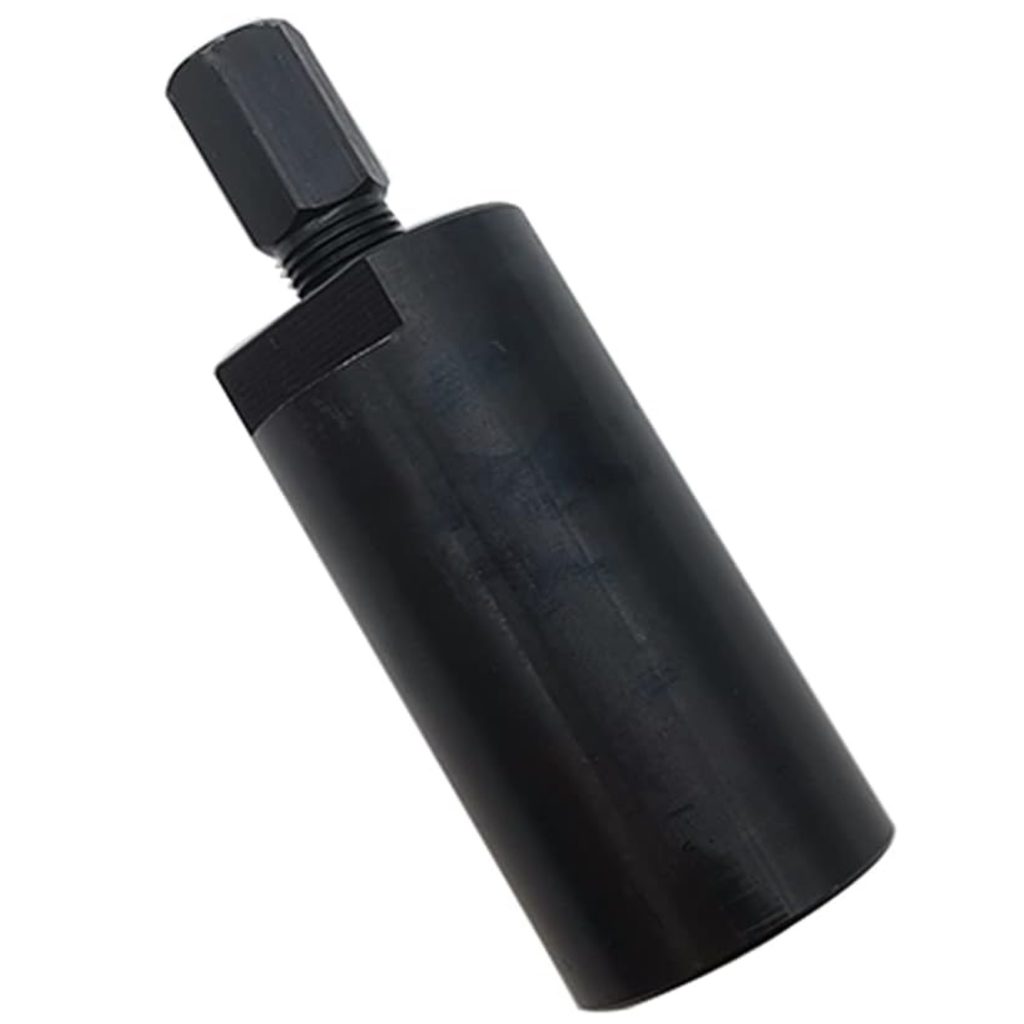
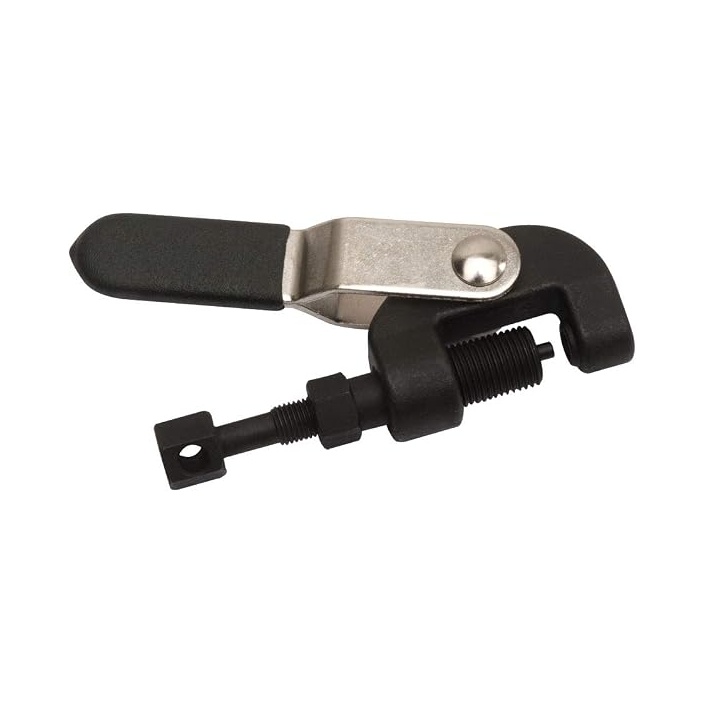
For example, a flywheel puller depends on accurate thread dimensions and direction. A chain breaker depends on the strength and alignment of the body and pin. A tire lever needs the right balance between strength, profile and usability. A lift or stand must remain stable under its rated working conditions.
Evidence to request
- A written specification or approved sample defining critical dimensions and finish.
- Material and hardness information where they affect function or durability.
- Inspection records or a clear description of incoming, in-process and final checks.
- A process for handling nonconforming products and corrective action.
- Confirmation that the approved specification will be used for repeat orders.
A supplier does not need to send a large document for every simple product, but the level of control should match the product risk.
3. Ask who controls the product—not only “factory or trading company?”
“Are you a factory?” is common, but it does not answer the most important sourcing question: how much control does the supplier have over the final product?
A factory may still offer weak communication, inconsistent subcontracting or limited export support. A specialized supplier may coordinate suitable production resources while controlling drawings, molds, materials, samples, inspection and packaging. Buyers should evaluate the operating system rather than the label.
Look for evidence of controlled specifications, dedicated or proprietary tooling, sample approval, packaging control, change management and repeat-order consistency. Ask who approves production changes and how you will be informed if a material or process must change.
4. Separate OEM, private label and ODM capability
Private label normally starts with an existing product and adds your branding. OEM customization can include logo method, color, specification, labels, barcodes, instruction sheets, retail packaging and carton marks. ODM development goes further by modifying the product, creating a new combination or developing new tooling.
| Project type | Typical scope | What to confirm |
|---|---|---|
| Private label | Logo, label, barcode and existing packaging options | Logo method, artwork format, MOQ and approval sample |
| OEM customization | Product color, dimensions, finish, kit contents or custom packaging | Controlled specification, tooling cost, sample timing and repeat MOQ |
| ODM development | Modified design, new mold, dedicated kit or new application | Ownership, development stages, testing, revisions and production lead time |
Do not accept “OEM available” as a complete answer. Send a short project brief covering the target market, expected quantity, product specification, branding, packaging and launch schedule.
5. Use samples and a pilot order to reduce risk
A sample is not only for checking appearance. It should confirm fitment, dimensions, finish, function, packaging and the details that will become the production standard.
- Define acceptance points. List the dimensions, fitment, finish, markings and packaging that matter.
- Test the sample in its intended application. Record results and photographs where practical.
- Approve changes in writing. Make sure the final sample and quotation describe the same product.
- Start with a manageable first order. Verify production consistency, packing and documentation before scaling.
- Keep the approved reference. Use it when checking repeat orders.
For mixed-SKU programs, prioritize samples for higher-risk products: threaded pullers, load-bearing stands, high-force tools, model-specific tools and newly customized items.
6. Check inventory, MOQ and replenishment—not just first-order lead time
A product launch and a repeat order create different supply requirements. Ask which items are normally stocked, which are made to order, whether mixed-SKU shipments are supported and how lead time changes during peak periods.
For each quoted item, clarify:
- MOQ for the standard product, branded product and custom packaging.
- Sample, production and replenishment lead times.
- Stock availability and reservation policy.
- Master-carton quantity, carton dimensions and gross weight.
- Whether several categories can be consolidated into one shipment.
NACHEE operates a 1,500 m² warehouse in Shanghai and maintains stock for many standard products. This can support mixed orders and more practical replenishment for distributors managing a broad catalog. See our general shipping and delivery information for the current process.
7. Review export communication and documentation
International supply includes more than the product. Quotations, packing lists, labels, inspection coordination, carton marks, consolidation and shipping documents all affect the result.
A suitable export partner should respond clearly, separate confirmed facts from assumptions, identify missing specifications early and keep changes traceable. For branded projects, confirm artwork approval, barcode ownership, packaging language and market-specific requirements before production.
NACHEE is based in Shanghai and focuses on international B2B customers, particularly importers, distributors, wholesalers and tool brands in Europe and North America. Our product range covers motorcycle repair, maintenance and workshop applications, including motorcycle tool kits, engine and flywheel tools, chain tools, wheel and tire tools, suspension tools, bolt kits and workshop equipment.
A practical 100-point supplier scorecard
The weighting below is a starting point, not an industry standard. Adjust it to the risk of your product and market.
| Evaluation area | Suggested weight | Evidence to review |
|---|---|---|
| Application knowledge | 20 points | Fitment questions, product recommendations and technical understanding |
| Specification and quality control | 20 points | Materials, critical dimensions, sample control and inspection process |
| Sample and pilot-order process | 15 points | Clear approval steps, change records and first-order verification |
| OEM/ODM capability | 15 points | Branding, packaging, engineering changes, molds and development support |
| Supply reliability | 15 points | MOQ, stock, lead time, repeat supply and mixed-SKU consolidation |
| Export support | 10 points | Documentation, packaging control, logistics and target-market experience |
| Communication | 5 points | Response quality, traceability and early identification of risks |
Why buyers consider NACHEE
NACHEE is a Shanghai-based supplier and exporter specializing in motorcycle repair and maintenance tools. We support standard wholesale supply, private-label projects and OEM/ODM development for professional B2B buyers.
Learn more about NACHEE and our sourcing capabilities, or browse the current motorcycle tool range.
Frequently asked questions
How do I verify a motorcycle repair tool supplier in China?
Verify the registered company and export contact, then request product-specific evidence: specifications, samples, packaging details, lead times and an explanation of quality checks. Test higher-risk tools in their intended application before a volume order.
What is the difference between OEM and ODM motorcycle tools?
OEM normally customizes an existing product through branding, color, specification or packaging. ODM involves product development, such as changing fitment, improving a design, creating a dedicated kit or developing a new mold.
Can I order samples before a bulk motorcycle-tool order?
Samples are available for many products and are recommended when fitment, thread size, material, finish or performance must be verified. Sample cost and timing depend on whether the item is standard or customized.
What information should I send for an OEM/ODM quotation?
Send the product or application, target motorcycle or fitment, estimated quantity, target market, required specifications, logo and packaging requirements, and expected delivery schedule. Drawings, reference samples and test requirements make evaluation faster.
Does the lowest unit price mean the lowest sourcing cost?
No. Total sourcing cost also includes sampling, inspection, rejected products, rework, delayed replenishment, packaging errors, communication time and the risk of losing a successful SKU. Compare suppliers against the same approved specification.
What types of motorcycle tools does NACHEE supply?
The range includes engine and flywheel tools, chain tools, wheel and tire tools, brake and suspension tools, bearing tools, portable tool kits, bolt kits, stands and other workshop equipment.
Planning a motorcycle tool sourcing project?
Send us your product list, target market, estimated quantity and packaging requirements. We can review whether a standard, private-label or custom solution is the most practical route.